History and Significance of Tirta Empul Temple
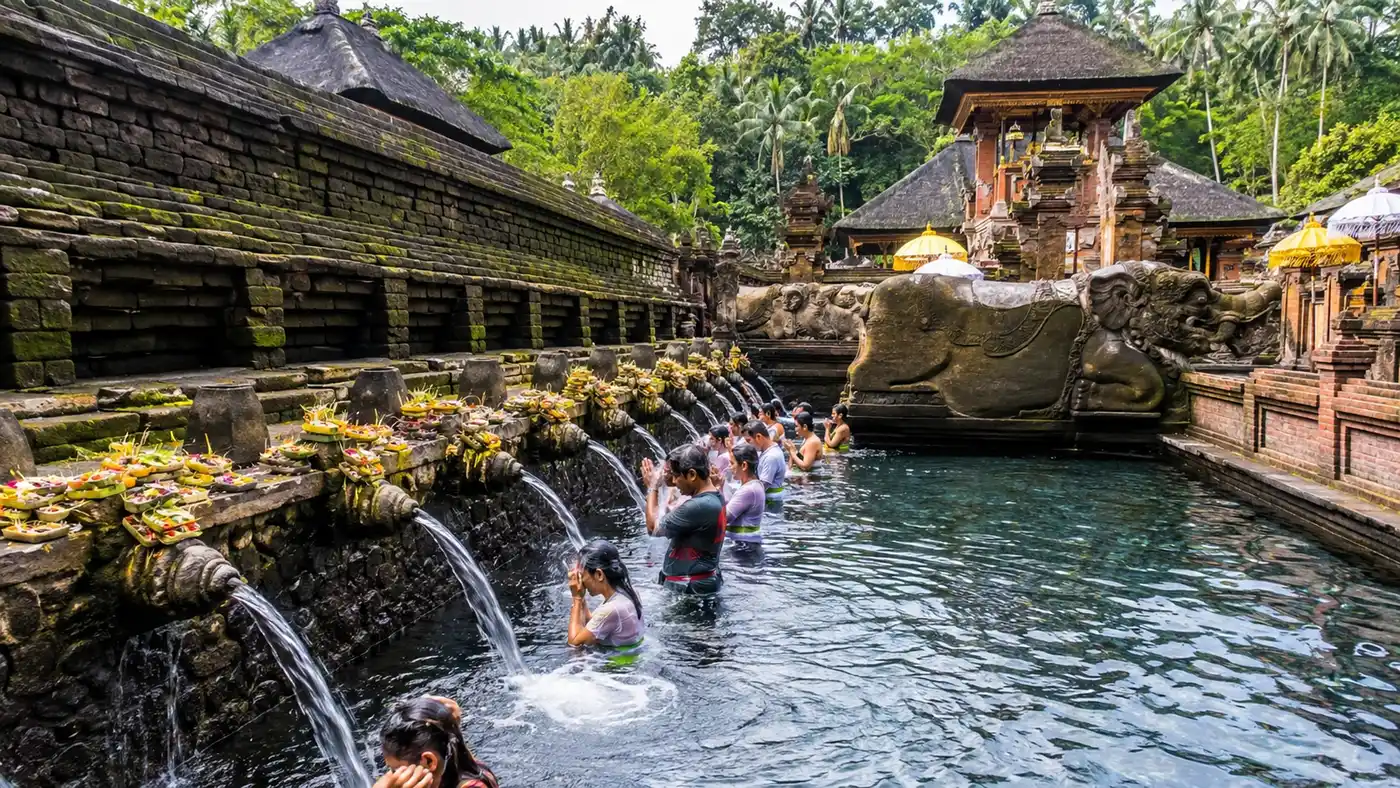
Stepping into Tirta Empul Temple, you immediately feel a certain weight, a quiet hum. It is a sacred space, no doubt, but beneath the surface of the bustling tourist destination lies a deep, intricate history of Tirta Empul Temple, one that stretches back over a thousand years. This isn't just an old building. It's a living, breathing testament to Balinese faith, a place where legends are still whispered and ancient rituals continue daily. Understanding the story of Tirta Empul Temple means diving into the myths that shaped Bali, the kings who built its foundations, and the enduring spiritual practices that draw people here from all corners of the world. We will explore its origins, its significant role in Balinese Hinduism, and why those crystal-clear spring waters remain so profoundly important today.Book your tirta empul temple experience:
The Ancient Origins and the Legend of Mayadenawa
The story of Tirta Empul Temple starts, like many things in Bali, with a legend. It is a tale of good versus evil, of divine intervention and sacred springs. The temple's foundational myth centers around the tyrannical king Mayadenawa, a powerful demon king who forbade his subjects from worshipping the gods. He possessed the ability to transform into various forms, making him incredibly elusive. His reign was marked by suffering, and the Balinese people cried out for help. Lord Indra, the Hindu god of war and thunder, answered their pleas. He descended with his forces, engaging Mayadenawa in a fierce battle. The demon king, cornered and desperate, used his magic to create a poisoned spring, hoping to incapacitate Indra's weary army. Many soldiers drank from it, falling ill or dying. It was a desperate move, a truly sneaky trick for sure. Seeing his warriors poisoned, Indra thrust his staff into the earth, creating a new spring of pure, life-giving water. This spring, known as Tirta Empul, meaning "Holy Spring," instantly revived his soldiers. Mayadenawa was eventually defeated, his tyranny ended. The exact spot where Indra created the spring became the site of the temple, a place forever blessed with healing waters. This mythical battle is not just a story; it is deeply woven into the spiritual fabric of the island, a foundational element of the history of Tirta Empul Temple Bali.When Was Tirta Empul Temple Built? Unraveling the Dates
While the legend of Mayadenawa gives us the spiritual origin, the physical construction of Tirta Empul Temple has a documented timeline. Historical inscriptions, specifically the Sukawana inscription, tell us that the temple complex was formally established around 962 AD. This makes it one of the oldest and most historically significant temples on the island. King Indrajaya Singha Warmadewa of the Warmadewa dynasty is credited with its founding. He was a pretty influential figure in Balinese history, responsible for many important cultural and religious developments. The 10th century was a period of significant growth for Balinese Hinduism, and the construction of temples like Tirta Empul reflected a strengthening of religious devotion and royal patronage. The initial structures were likely simpler, built to enclose and honor the sacred springs. Over the centuries, additions and renovations expanded the complex into what we see today. It is fascinating to think about how many generations have walked these grounds, performing their rituals, feeling the same cool water on their skin. The "sejarah Tirta Empul Temple" is a long, rich tapestry.Pro tip: Visit Tirta Empul early in the morning, maybe around 8 AM. The light is beautiful, and you will see local Balinese people performing their purification rituals before the big tour groups arrive. It feels much more authentic then.
The Purification Ritual - A Living Tradition
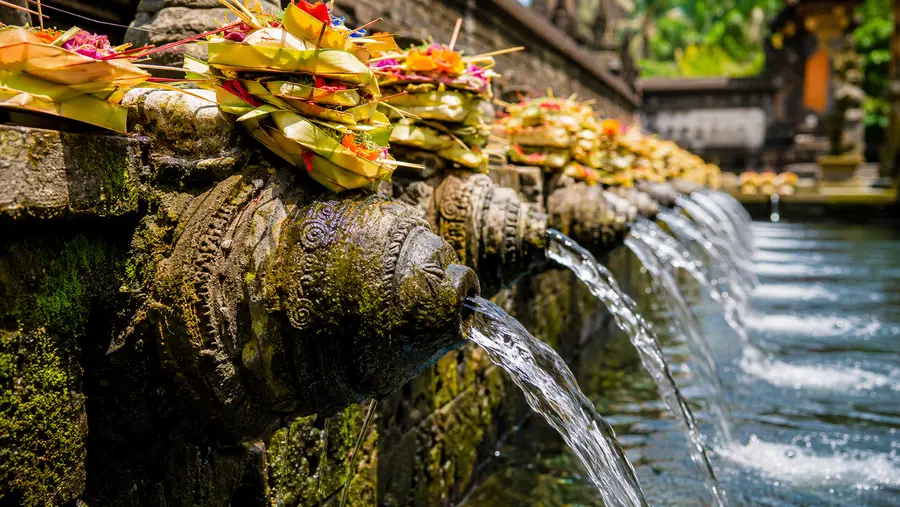
The heart of Tirta Empul Temple, its enduring significance, lies in the purification ritual, known as "melukat." Balinese Hindus believe that bathing in the holy waters of Tirta Empul cleanses the body and soul of negative influences, purifies karma, and brings good fortune. This isn't just a historical anecdote; it is an active, vital practice today. Honestly, it's one of the most moving things you can witness, or even participate in, if you feel called to it. Visitors often line up at the various spouts in the main purification pools, moving from one to the next, offering prayers and immersing themselves in the cool spring water. Each spout has a specific name and purpose, though the general idea is spiritual cleansing. You can learn more about the specific steps and meaning behind each one in our detailed guide on the Tirta Empul Temple Purification Ritual Guide. It is a profound experience, connecting you directly to centuries of tradition.Note: Proper attire is essential for entering the temple grounds and especially for the purification ritual. You will need a sarong and sash, which can be rented or purchased at the entrance. It is a sign of respect for the sacredness of the place.
Book your tirta empul temple experience:
Architectural Evolution and Royal Connections
Beyond the springs, the temple complex itself tells a story of architectural evolution. While the original structures date back to the 10th century, later additions and renovations have shaped its current appearance. You will notice distinct courtyards, shrines, and pavilions, each serving a specific religious function. The temple follows the traditional Balinese architectural layout, with three main courtyards: the outer (jaba pisan), middle (jaba tengah), and inner (jeroan) courtyards. One significant later addition is the presidential palace, Istana Tampaksiring, built right next to the temple in 1954. Indonesia's first president, Sukarno, commissioned its construction. This palace was designed as a resting place for the president and his guests, offering stunning views of the temple and the surrounding valley. It is a fascinating juxtaposition - ancient spirituality meeting modern statecraft. This connection adds another layer to the Tirta Empul Temple histories, showing its continued importance even in a contemporary context. Here are some key architectural elements you might notice:- Candi Bentar: The split gate at the entrance to the outer courtyard, a classic Balinese architectural feature.
- Kori Agung: The grand gate leading to the inner courtyard, often intricately carved and adorned.
- Bale Pegat: Pavilions used for offerings and ceremonies, often featuring multi-tiered roofs.
- Petirtaan: The main purification pools, the heart of the temple, with their numerous spouts.
Enduring Legacy and Modern Challenges
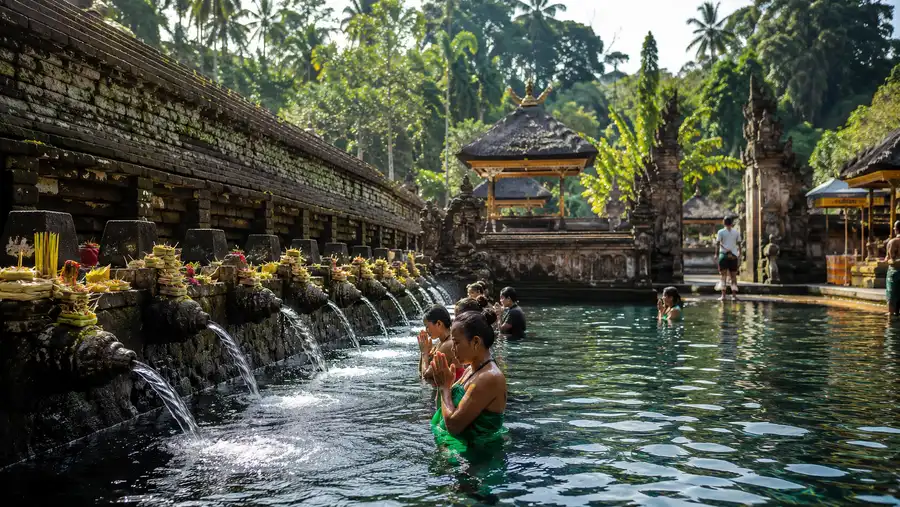
Today, Tirta Empul Temple remains one of Bali's most revered holy sites. It draws thousands of visitors daily, both Balinese pilgrims and international tourists. This popularity is a double-edged sword. On one hand, it ensures the temple's upkeep and continued prominence. On the other, managing the crowds and maintaining the sanctity of the site presents ongoing challenges. I think the local community does a pretty good job balancing these demands. The temple also plays a vital role in local community life, hosting numerous ceremonies and festivals throughout the year. Its spiritual pull is undeniable, a constant reminder of Bali's deep connection to its Hindu roots. Visiting here offers a chance to witness a culture that has preserved its traditions against the tide of modernity. For anyone interested in the broader history of Tirta Empul Temple, its modern context is just as important as its ancient past. If you are planning your trip, you might find some useful advice in our article on Planning Your Visit to Tirta Empul Temple.| Year/Era | Event/Significance |
|---|---|
| Circa 962 AD | Temple founded by King Indrajaya Singha Warmadewa. |
| 10th Century | Sukawana inscription details the temple's establishment. |
| 1954 | President Sukarno's Istana Tampaksiring (palace) built adjacent to the temple. |
| Present Day | Continues as an active site for purification rituals and worship. |
Frequently Asked Questions about history of tirta empul temple
What is the spiritual significance of Tirta Empul Temple?
Tirta Empul is highly significant for its sacred spring waters, believed to have purifying and healing properties. Balinese Hindus perform the "melukat" ritual here to cleanse the body and soul.
Who built Tirta Empul Temple and when?
Tirta Empul Temple was built around 962 AD by King Indrajaya Singha Warmadewa of the Warmadewa dynasty, as documented by historical inscriptions.
What is the legend behind the creation of the springs?
The springs are said to have been created by Lord Indra, who thrust his staff into the earth to produce pure water that revived his army after they were poisoned by the demon king Mayadenawa.
Quick Reference
- Founded: Circa 962 AD
- Founder: King Indrajaya Singha Warmadewa
- Key Legend: Lord Indra vs. Mayadenawa
- Main Ritual: Melukat (purification)
- Location: Tampaksiring, Bali
Book your tirta empul temple experience:
My Take on Tirta Empul's Enduring Charm
Honestly, Tirta Empul Temple is more than just an ancient landmark. It is a vibrant, living piece of Balinese culture and spirituality. The history of Tirta Empul Temple isn't confined to dusty books; it is felt in the cool waters, seen in the solemn faces of pilgrims, and heard in the rustle of offerings. It is a place that truly immerses you in the spiritual heart of Bali, offering a glimpse into a world where myth and reality intertwine seamlessly. If you find yourself on this beautiful island, make sure to experience it for yourself.Read more about tirta empul temple.